About
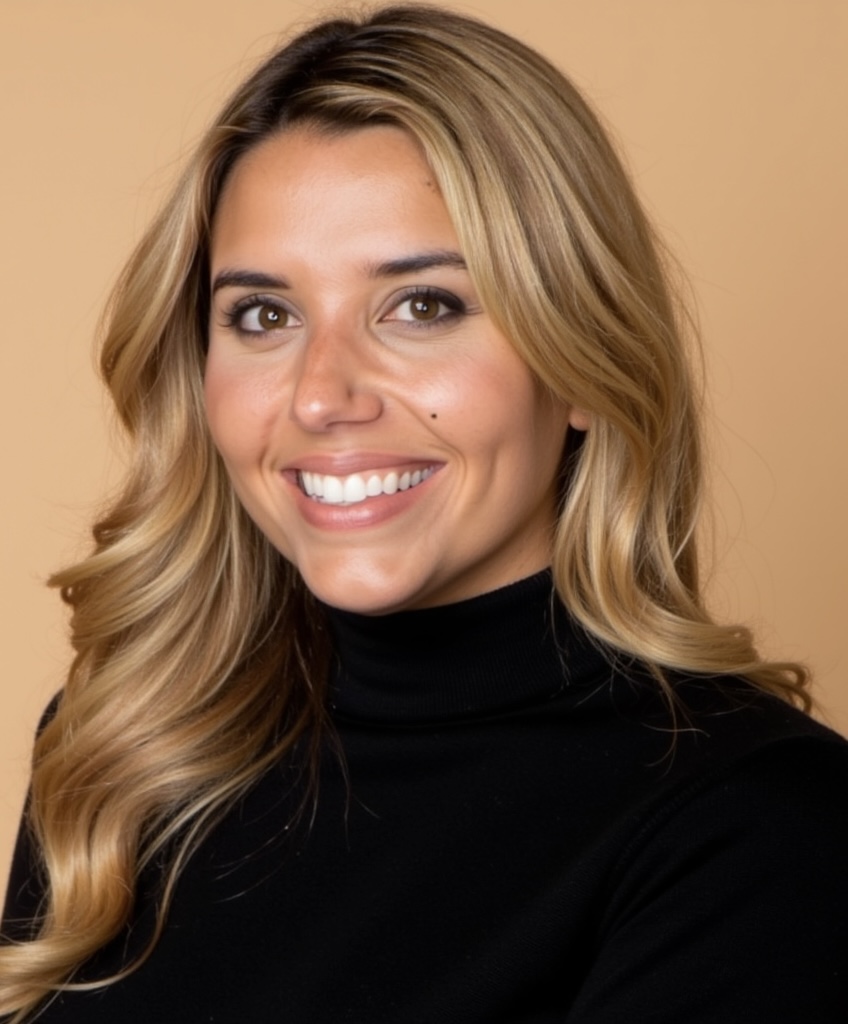
Dr. Val Camarano, PsyD
Psychologist, facilitator, consultant, and builder. New York-based, working with people and organizations across the country.
An unusual trajectory
My career has moved between therapy rooms and very large systems.
Before private practice, I spent years working inside some of New York City’s most complex behavioral-health and youth-serving systems — including executive leadership within the NYC Administration for Children’s Services and clinical leadership at Rikers Island. I later served on the faculty at NYU Grossman School of Medicine.
More specifically: I served as an Assistant Commissioner in the NYC Administration for Children’s Services, Division of Youth and Family Justice. My work included responsibility for roughly $10 million in behavioral-health and youth-serving contracts, and involvement in major juvenile-justice initiatives including Raise the Age and Close to Home. I also worked on the Bellevue Hospital–ACS partnership serving justice-involved youth.
Earlier, I supervised a clinical team at Rikers Island. Later, I held a Clinical Assistant Professor appointment in Child and Adolescent Psychiatry at NYU Grossman School of Medicine from 2018 to 2021.
I am now a licensed psychologist in New York and Connecticut, with advanced clinical training in Internal Family Systems (IFS Institute Level 1), AEDP, ADHD and neurodivergence, experiential psychotherapy, and ketamine-assisted psychotherapy. I also hold the ADHD-CCSP credential.
Across all of those settings, I kept becoming interested in the same thing: what helps people function, grow, connect, and do their best work — and what gets in the way?
The connective tissue
The work changes shape. The question stays coherent.
That question now follows me everywhere: into therapy rooms, parent groups, organizations, and the things I build. The scale changes, but the curiosity does not. I want an honest picture of how people actually work, and then what becomes possible once you have it — the capacities worth developing, the choices worth making, the life or organization worth building from there.
The Facet Method grew from that question. It is one expression of the thinking underneath the work—not the box every offering has to fit inside.
Training & approach
The lineages behind the work.
The Facet Method is an integration. These are the traditions that shape it.
- Internal Family Systems (IFS Institute Level 1)
- Accelerated Experiential Dynamic Psychotherapy (AEDP)
- ADHD and neurodivergence (ADHD-CCSP)
- Experiential psychotherapy
- Ketamine-assisted psychotherapy training
- Trauma & nervous system science
- Developmental & attachment theory
What I believe
A few things I'm sure of.
- Understanding yourself comes before changing yourself.
- Self-trust can be rebuilt.
- There are real gifts and real difficulties. Both are true.
- Acceptance and meaningful change are not opposites.
- Connection creates change.
- The goal is authorship over your own life.